

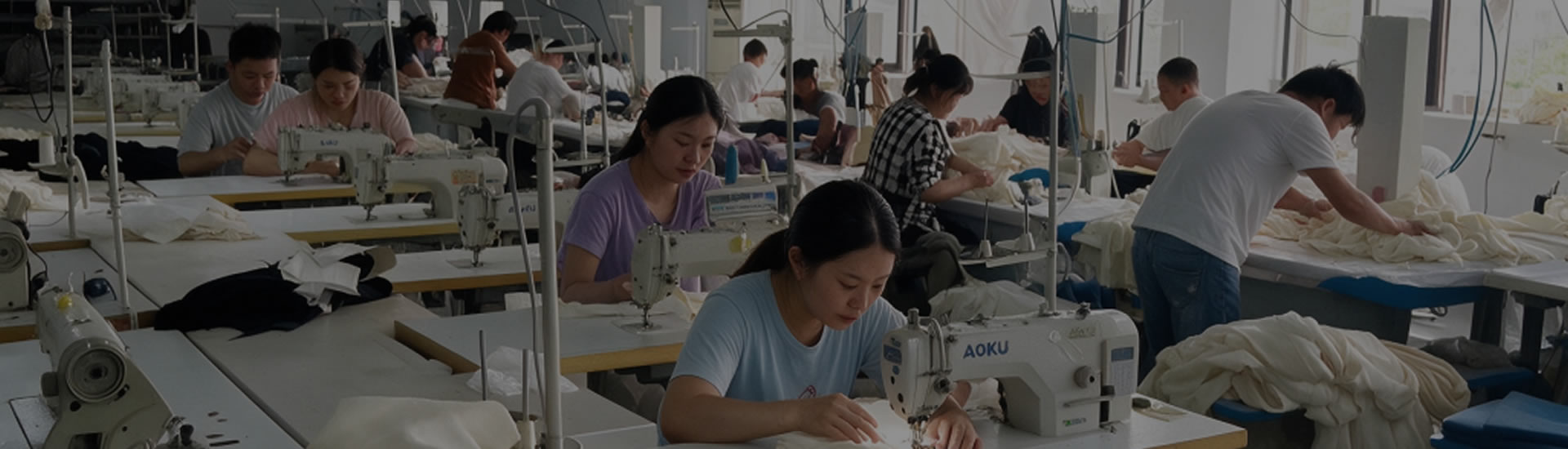
Turning Designs into Products
A fashion brand may have a sketch, reference photograph, sample garment, or technical specification.
The manufacturer helps translate that concept into a finished product.
This requires communication between design and production teams.
Flexible Product Development
Brands often need different garment categories during the year.
A manufacturer experienced in suits may also support shirts, trousers, coats, jackets, and other tailored products.
This can simplify production when a brand wants to build a complete collection.
Custom Fabrics and Details
Brands can develop their products through fabric selection and design details.
Buttons, linings, labels, pockets, collars, lapels, cuffs, and other elements can help establish a recognizable brand identity.
Small and Flexible Orders
Not every brand operates with large production volumes.
Flexible manufacturing can be useful for emerging brands, boutiques, designers, and custom clothing businesses that need to develop products gradually.
Sample development and smaller production runs can also help businesses test new styles before expanding them.
Long-Term Manufacturing Relationships
The relationship between a brand and a manufacturer can develop over time.
As the manufacturer becomes familiar with a brand's patterns, measurements, construction preferences, and quality requirements, repeated production can become more efficient.
For this reason, choosing a manufacturing partner is not only about comparing individual product prices.
It is also about communication, consistency, flexibility, and long-term cooperation.

