

1. Design and Requirements
The process begins with the design.
Customers may provide photographs, sketches, measurements, reference garments, or detailed specifications.
The manufacturer reviews the information and confirms the key requirements.
2. Fabric Selection
The next step is selecting the appropriate material.
Different garments require different fabric characteristics.
For example, a business suit may require a refined wool fabric, while a summer shirt may require a lightweight cotton fabric.
Outerwear requires materials suitable for the intended climate and style.
3. Pattern Development
The design information is then translated into a production pattern.
The pattern controls the shape and proportions of the garment.
For customized clothing, the pattern may be adjusted according to individual measurements or a customer's existing sample.
4. Fabric Cutting
Once the pattern is confirmed, the fabric is carefully cut.
Precision is important because every component must correspond correctly to the production specifications.
Pattern matching can be particularly important for fabrics with stripes, checks, or other visible designs.
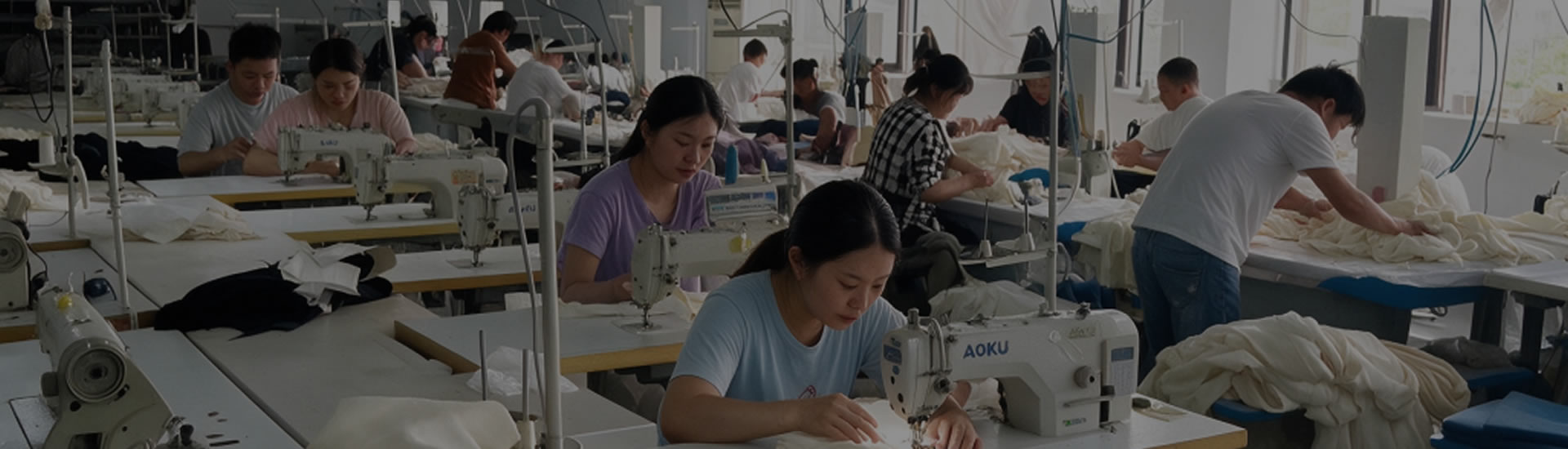
5. Sewing and Assembly
The cut components are assembled through multiple sewing processes.
Depending on the garment, this may include collars, sleeves, pockets, cuffs, linings, lapels, waistbands, and other components.
Different garment categories require different construction techniques.
6. Pressing and Shaping
Pressing is an essential part of professional garment production.
It helps create clean lines and shape areas of the garment.
For tailored clothing, pressing can have a significant influence on the final silhouette.
7. Inspection and Finishing
Before shipment, the finished garment should be inspected.
Measurements, stitching, fabric appearance, buttons, lining, finishing, and overall presentation can all be checked.
Only after these stages is the garment ready for packaging and delivery.
Custom clothing is therefore not a single process. It is a combination of design, materials, craftsmanship, production, and quality control.

